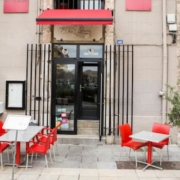
Welcome to one of the most emblematic areas of Marseille’s Old Port. Just a few steps from the water, place aux Huiles and cours Honoré-d’Estienne-d’Orves form today a warm, lively and colorful space — yet few visitors imagine that they are in fact standing on what used to be a strategic canal.
The captivating history of place aux Huiles in Marseille
A place full of history at the heart of the Old Port
At the heart of Marseille: the captivating history of place aux Huiles, once a bustling canal
For several centuries, this area played a central role in Marseille’s maritime trade, contributing to the economic and cultural development of the Phocean city.
Let’s dive together into the history of this remarkable place, a witness to a past where boats, goods and commercial bustle animated the Old Port every day.
The origins of the canal: a visionary project of the 17th century
In the 17th century, Marseille was already a major port, a true crossroads between the East and the entire Mediterranean basin. Imports of olive oil, soap, textiles and goods arriving from distant lands were growing considerably.
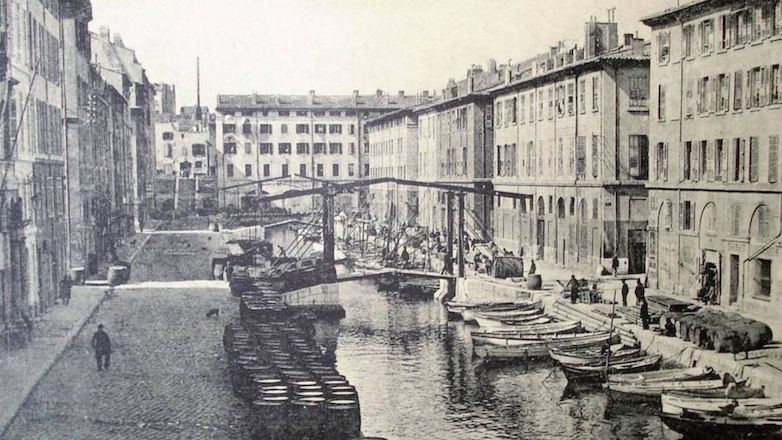
To support these exchanges, authorities decided in 1666 to dig a canal on the site of what is now place aux Huiles.
The objective was clear: to create a practical waterway allowing goods to be transported directly to the warehouses located along the banks. It quickly became an essential element of Marseille’s economy.
A vibrant commercial life around the canal
Over the decades, activity grew and gave the area a cosmopolitan atmosphere. The canal’s banks became a true commercial hub:
- Oil warehouses
- Soap-making workshops
- Textile merchants
- Local artisans
- Boats of all origins moored side by side
Marseillais, Oriental traders, Italian sailors, Greek mariners: a blend of peoples, languages and skills that shaped the singular richness of the neighborhood.
It was in this bustling environment that the warm and commercial identity of place aux Huiles was forged, an identity that still defines it today.
Oil barges and barquettes marseillaises: symbols of maritime know-how
To transport oil and other goods, two typical types of boats were used:
- Oil barges, specially designed for heavy and valuable cargo
- Barquettes marseillaises, small traditional boats expertly handled by seasoned sailors
These colorful boats, still seen today in Provençal ports, were the soul of the canal. They reflect the deep connection between Marseille, its port and its maritime traditions.
From decline to transformation: the birth of the modern square
With the 19th century came new means of transportation: the railway, followed by expanded port infrastructures. The canal’s role gradually declined.
Commercial activity shifted to other areas of the city and, in 1925, the canal was finally filled in.
It gave way to the esplanade known today by the people of Marseille: a friendly, sun-soaked square, perfect for terraces, strolling and meeting up.
The transformation was spectacular, but it did not erase the maritime heritage of this place with such a strong personality.
The restaurant Paule & Kopa, heir to this living history
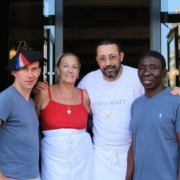
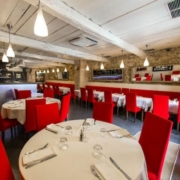
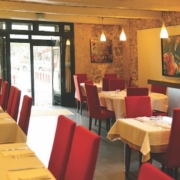
Today, at 42 place aux Huiles, the restaurant Paule & Kopa continues in its own way the Mediterranean soul of the neighborhood.
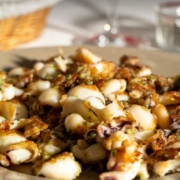
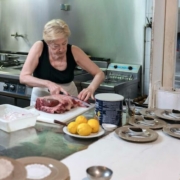
In this historic location, we offer generous, authentic southern cuisine inspired by the multicultural past that shaped Marseille.
Dining at Paule & Kopa means:
- Enjoying Provençal and Mediterranean specialties
- Experiencing a lively, warm atmosphere
- Immersing yourself in an emblematic Old Port location, a witness to centuries of trade and exchange
Whether you want to discover the city through its history or simply enjoy a delicious meal steeped in tradition, place aux Huiles is the ideal spot to feel the true soul of Marseille.
You may also like
Our other gourmet stories
You might also like